

ADAS vs. Self-Driving: Clearing Up the Confusion
ADAS features help drivers stay safer, but they are not self-driving systems. Understanding what ADAS can and cannot do—and ensuring proper calibration after repairs—helps drivers make informed decisions about vehicle safety.
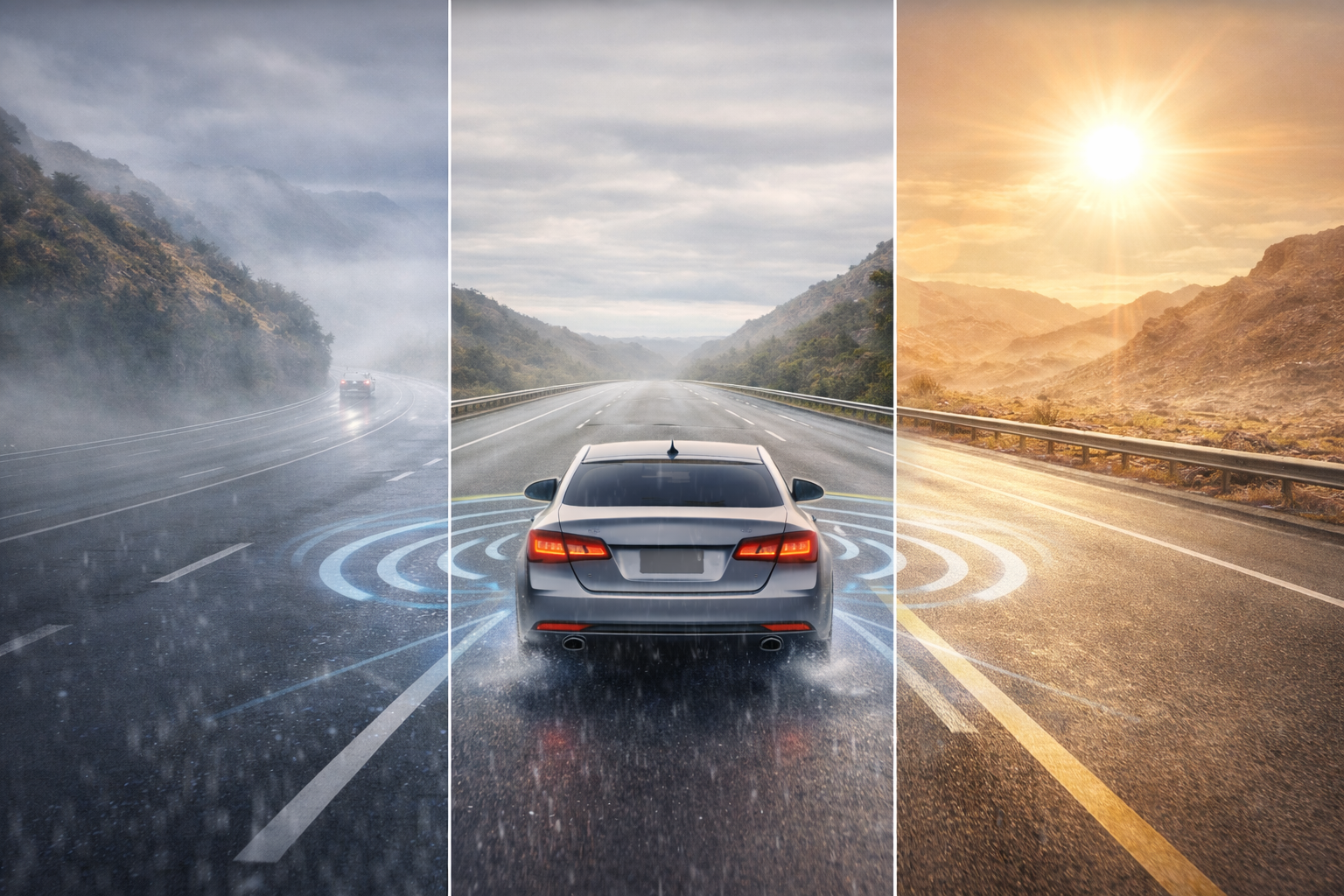
How Weather and Environment Affect Your ADAS
Rain, fog, glare, and debris can influence how ADAS systems perform. Learn how environmental conditions affect vehicle safety features and when professional verification helps keep them accurate.
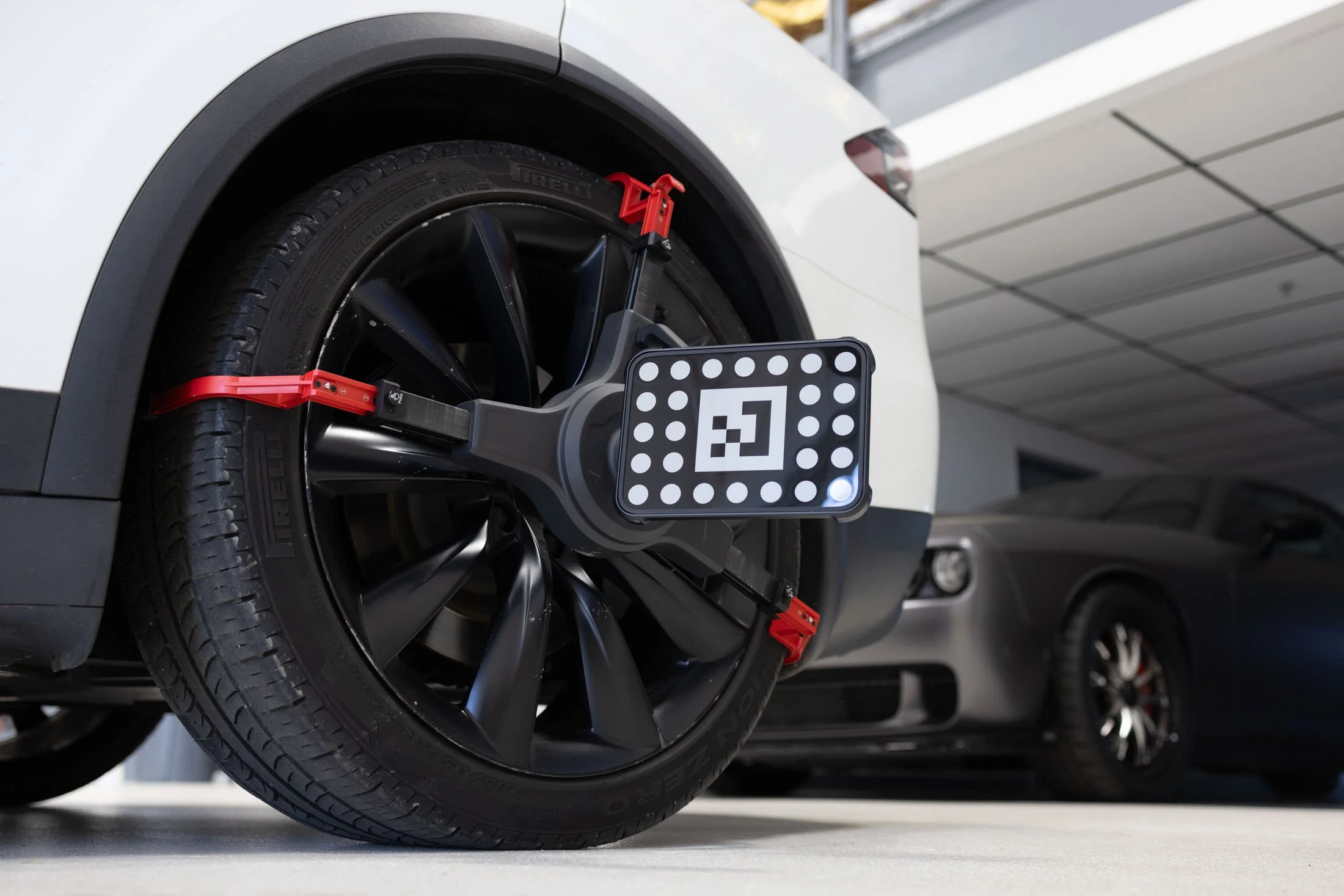
How Wheel Alignment Affects ADAS Accuracy: What Every Driver Needs to Know
Wheel alignment affects more than steering and tire wear. Learn how alignment relates to ADAS verification, which features drivers often notice, and when calibration helps confirm safety systems function as designed.

Signs Your ADAS May Be Misaligned After an Alignment Job
Wheel alignment affects more than tire wear. Learn how alignment can relate to ADAS verification, the warning signs drivers should watch for, and when calibration helps confirm safety systems function as designed.
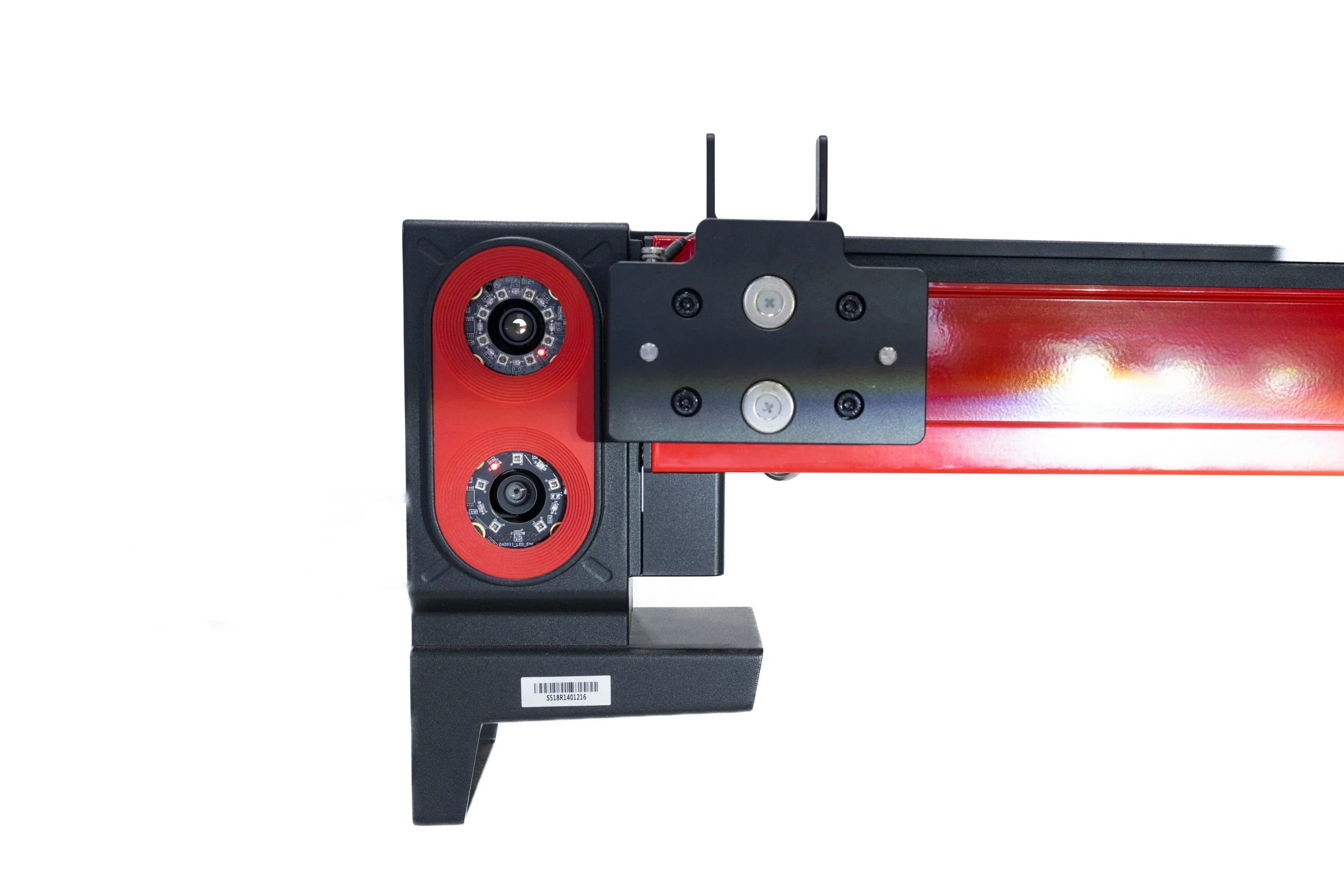
Why Recalibrating Your Vehicle’s ADAS Isn’t Optional After a Collision
After a collision, even minor repairs can impact ADAS sensor accuracy. For drivers in Thousand Oaks, this guide explains why post-collision scanning and calibration are often essential to a complete and safe repair—and how proper documentation helps reduce long-term safety and liability risks.