
Parking Sensors or Park Assist Not Working After Repairs? Here’s Why and What to Do
If your parking sensors or park assist stopped working after repairs, you are not alone. Many drivers notice changes in how these systems behave after bumper or body work — even when the repair looks complete.
Modern vehicles integrate parking sensors directly into bumper assemblies. Because of this design, repairs involving bumper removal, refinishing, or replacement can affect how sensors detect objects or measure distance. Industry repair guidance explains that ultrasonic parking sensors are frequently affected during bumper-related repairs because they are mounted in areas that must be removed or adjusted during the repair process.
How Parking Sensors and Park Assist Work
Parking sensors typically use ultrasonic technology to measure distance between your vehicle and nearby objects. Sensors located in the front or rear bumper emit signals that reflect off surrounding obstacles, allowing the vehicle to calculate distance and alert the driver through audible tones or visual indicators.
Because these sensors rely on precise positioning and orientation, changes to mounting location, bumper structure, or surrounding materials can influence how accurately the system detects objects. OEM repair procedures emphasize that sensor placement and alignment must remain within manufacturer specifications to ensure proper operation.
Why Parking Sensors or Park Assist May Stop Working After Repairs
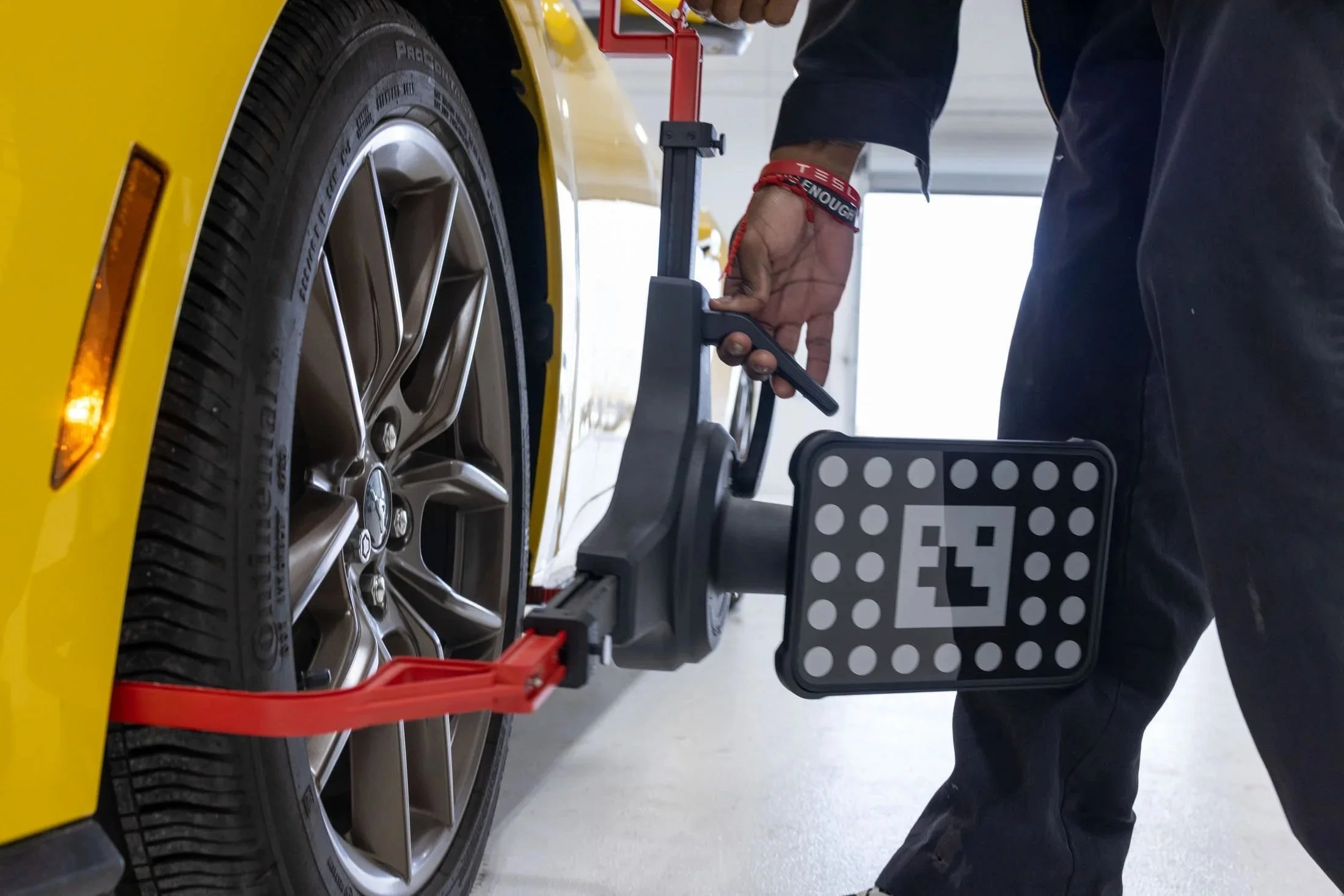
Parking sensors may behave differently after repairs for several reasons. This does not necessarily indicate that something was done incorrectly — it often reflects how sensitive these systems are to positioning and calibration.
Possible contributing factors include:
Sensors removed during bumper repair or replacement
Sensors reinstalled at slightly different angles
Changes in bumper thickness or refinishing materials
Mounting clips or brackets affecting alignment
Electrical connectors disturbed during reassembly
Verification or calibration procedures not yet completed
OEM and industry documentation confirms that ultrasonic sensors can be sensitive to installation tolerances and surrounding materials, which can influence system performance after repair work.
Important to Understand: System Behavior Is Designed for Safety
When park assist stops working or behaves differently, the system may be limiting or disabling certain features because it cannot confirm accurate sensor readings.
This type of response is intended to help prevent incorrect alerts or unreliable distance measurements when sensor accuracy cannot be verified.
Source: Tesla body repair procedures.
Common Signs Drivers Notice After Repairs
Drivers may experience:
No warning sounds when approaching objects
Constant beeping without obstacles present
Delayed or inconsistent alerts
“Park Assist Unavailable” messages
System appears active but responds incorrectly
Industry repair training highlights that these symptoms can occur when ultrasonic sensors are affected by bumper work or refinishing processes.
Does Park Assist Always Need Calibration After Repairs?
Not always — but in many situations, inspection and verification are recommended.
Calibration requirements vary by vehicle manufacturer, model, and the type of repair performed. For example, bumper removal, sensor replacement, or structural changes near sensor mounting areas may require verification procedures to confirm the system is operating within OEM specifications.
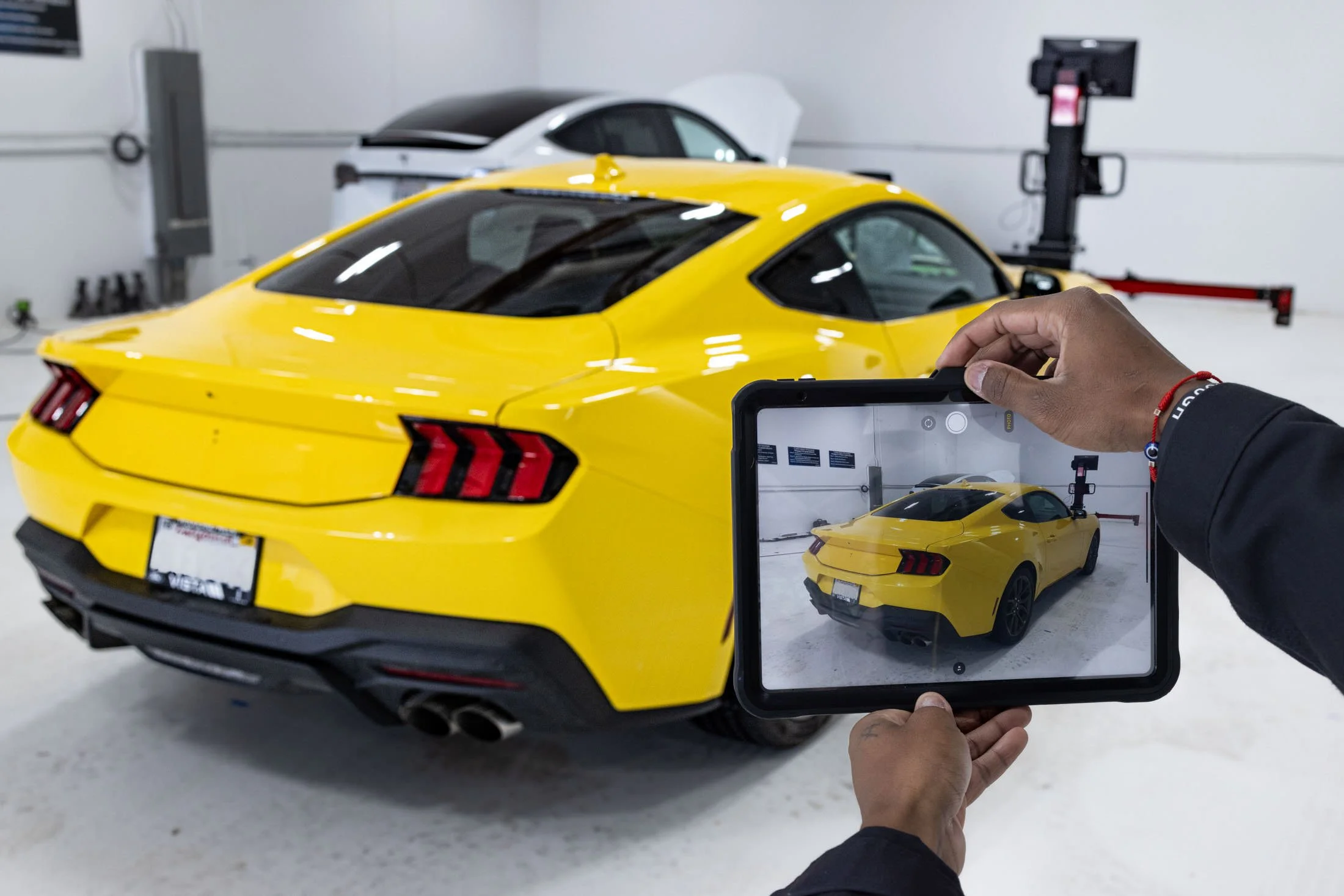
OEM procedures indicate that verification or calibration may be required after certain repairs to confirm proper system operation.
Source: Tesla repair procedures.
Calibration should be viewed as confirmation of proper function, not correction of a faulty repair.
Why This Is Sometimes Missed During Repairs
Parking sensor issues may not appear immediately because:
Sensors are hidden behind the bumper
Visual inspection does not reveal alignment differences
The system may not trigger a diagnostic warning
Verification requires specialized equipment or processes
Industry guidance notes that ultrasonic sensor performance can be influenced by refinishing thickness and mounting position, making post-repair verification important when symptoms appear.
A parking sensor may look correctly installed but still operate outside manufacturer tolerance.
Is It Safe to Drive If Parking Sensors Are Not Working?
Your vehicle remains drivable if parking sensors are not functioning. These systems are designed as supplemental driver assistance features.
However, since park assist helps provide awareness during low-speed maneuvers, having the system inspected and restored can improve confidence and support safer parking.
What to Do Next
If your parking sensors stopped working after repairs:
Confirm the symptoms are consistent
Do not assume the system will correct itself
Schedule an ADAS inspection to verify sensor alignment and operation
Request documentation confirming system verification
Addressing the issue early helps ensure the system performs according to manufacturer specifications.
How Abel Diagnostic Centers Verify ADAS Accuracy After Repairs
Abel Diagnostic Centers specialize in post-repair inspection, diagnostics, and recalibration of advanced driver assistance systems, helping vehicle owners confirm that park assist and other safety features are operating according to manufacturer specifications.
Instead of assuming a repair was incomplete or that a component has failed, Abel focuses on verification and accuracy through services that include:
These services are designed to confirm that sensors, modules, and related systems are communicating correctly and operating within OEM-defined tolerances following repairs.
For vehicles equipped with manufacturer-specific systems, such as Tesla, Abel follows brand-specific procedures and requirements. This includes Tesla ADAS calibration, which addresses the unique calibration, validation, and documentation standards required for Tesla driver-assistance systems.
The goal is not to assign blame or question prior repairs — but to provide clear confirmation that your vehicle’s safety systems are functioning correctly and can be relied on with confidence.
Schedule a Park Assist Inspection
If park assist or parking sensors stopped working after repairs, it often reflects how sensitive modern safety systems are to positioning and verification — not necessarily a failure or improper repair.
OEM procedures and industry guidance show that inspection or calibration may be needed to confirm accuracy and restore full function.
Sources
Tesla Body Repair Procedures — Ultrasonic Sensor Guidelines
https://service.tesla.com/docs/BodyRepair/Body_Repair_Procedures/Model_X/HTML/en-us/GUID-F84349CC-945F-4443-8257-B9EC50CC88CC.html
I-CAR Repair Technology Summit — Ultrasonic Parking Sensor Considerations
https://rts.i-car.com/crn-1386.html